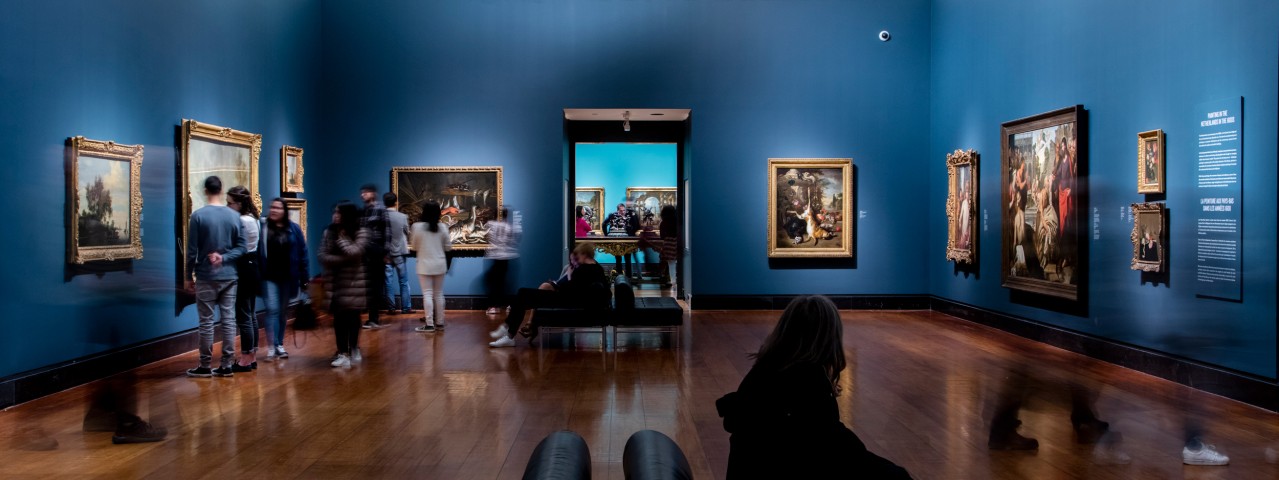


Explore more than 120,000 works of art at one of North America’s largest art museums, housed in an iconic Frank Gehry-designed building in the heart of Toronto.
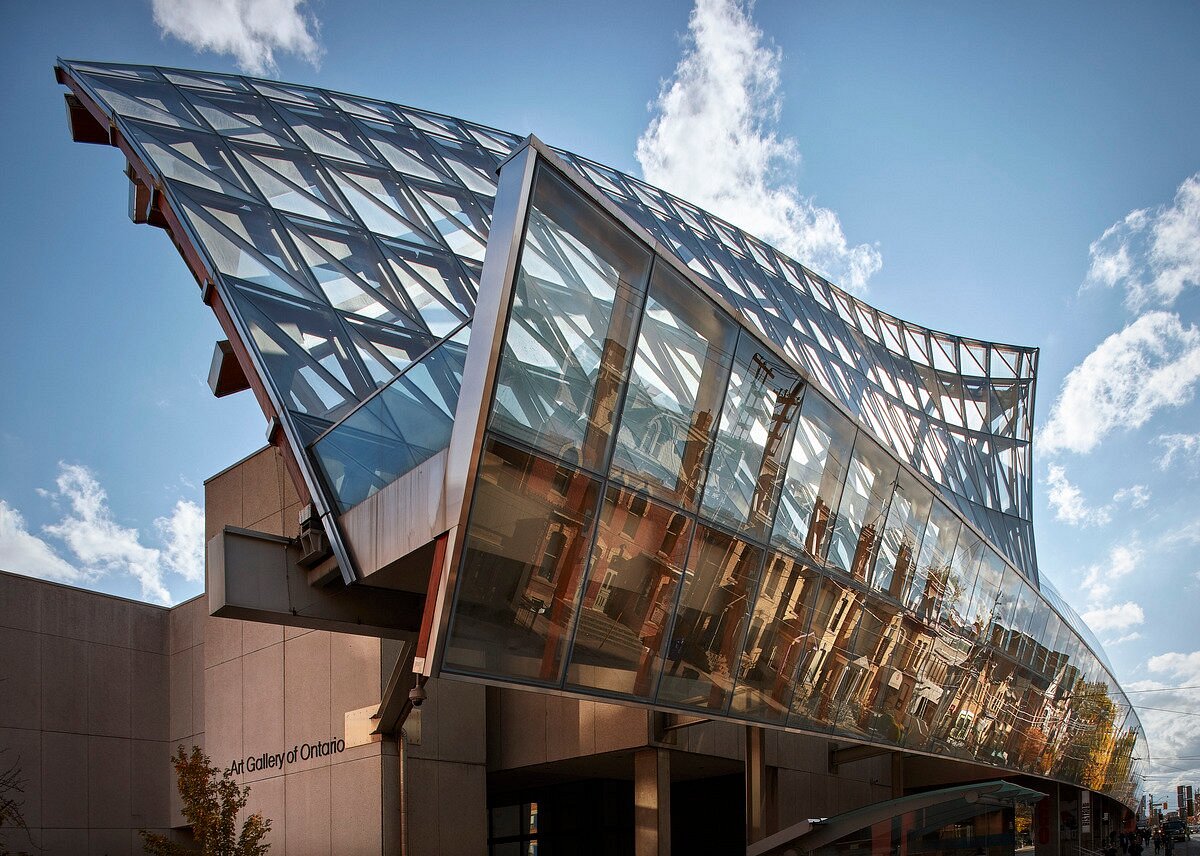
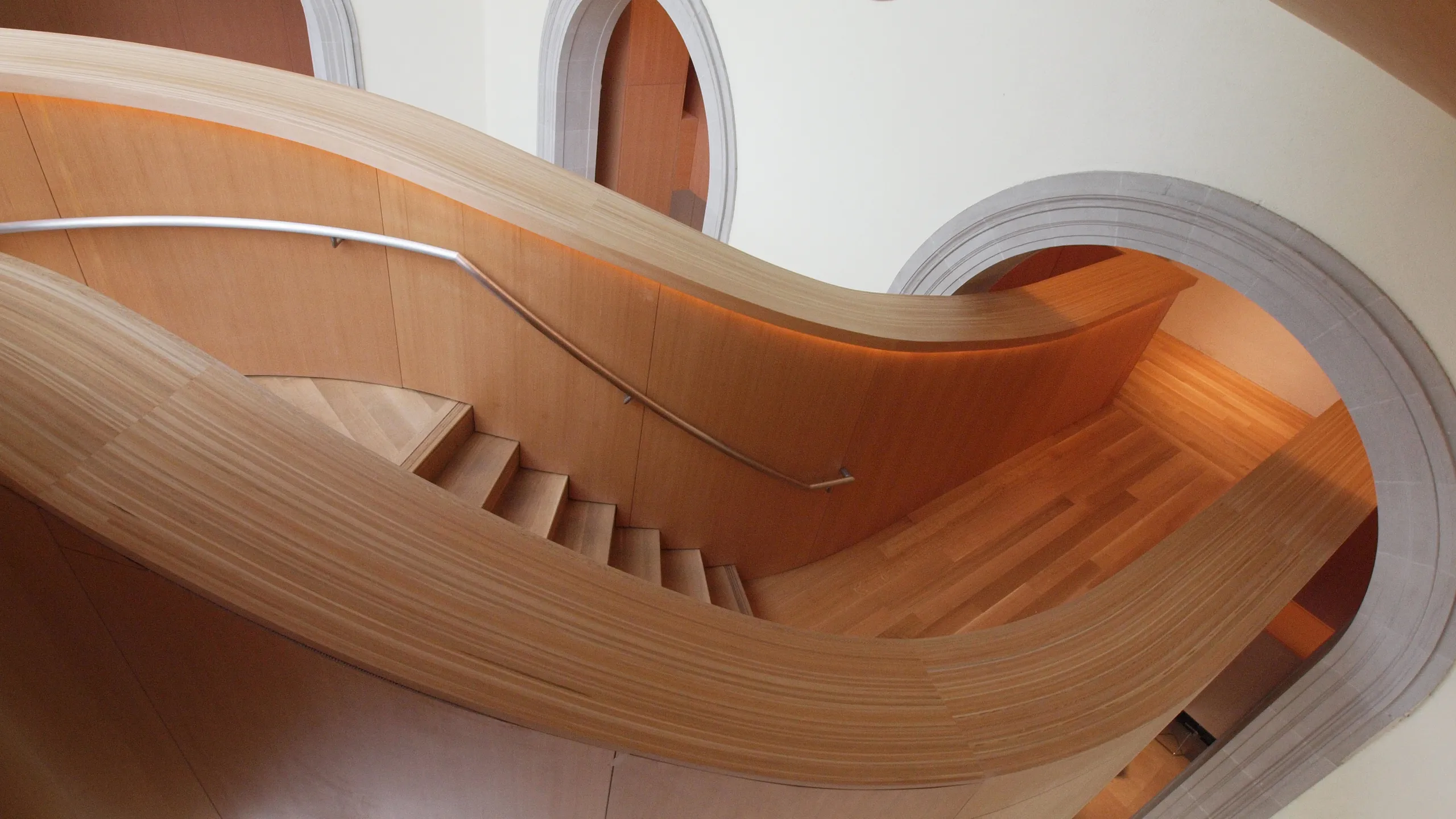
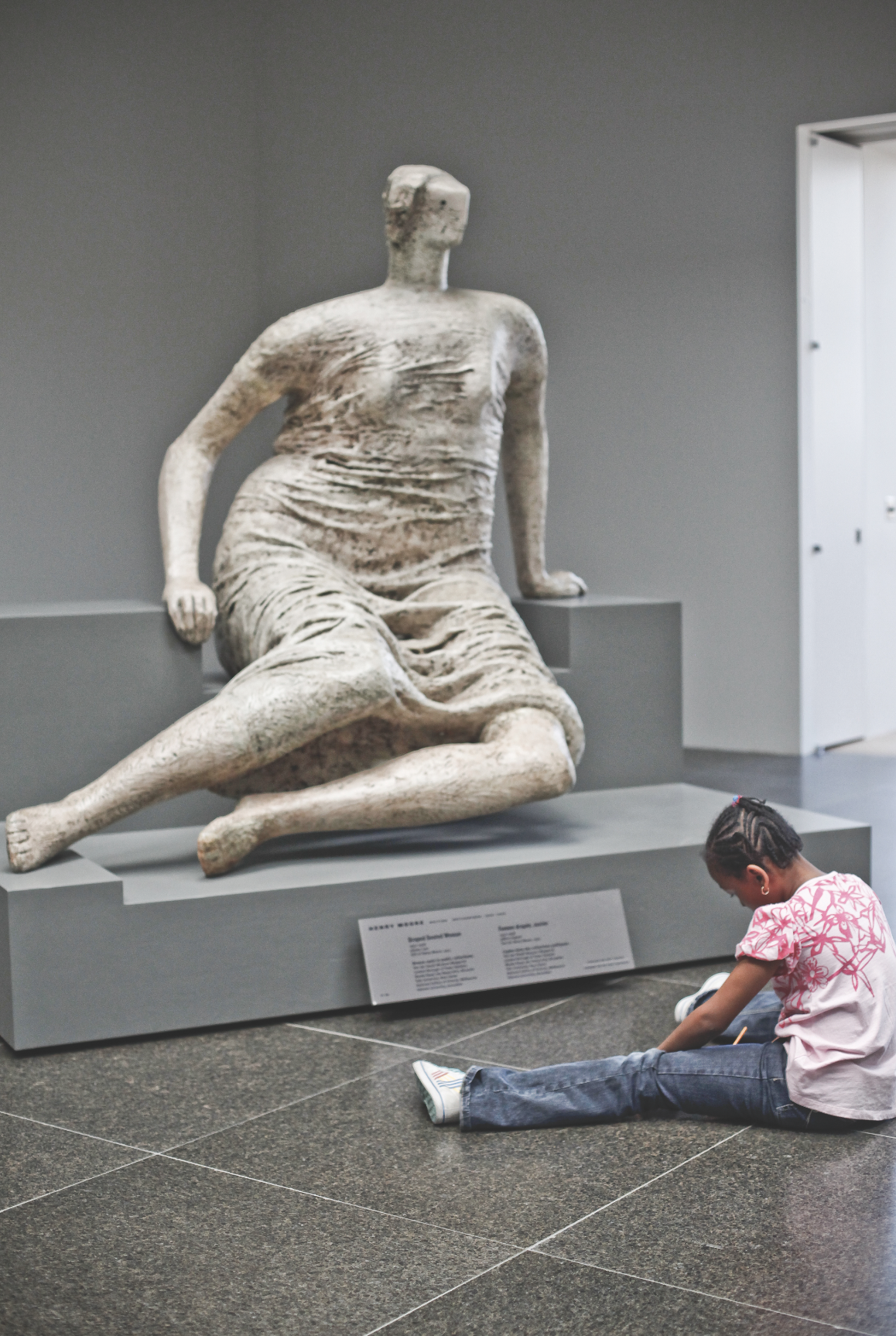
The Art Gallery of Ontario, or AGO, brings together Canadian, Indigenous, European, African and contemporary art across more than a century of collecting. The collection includes more than 120,000 works, with highlights ranging from the Group of Seven and Henry Moore sculptures to European masterpieces and contemporary installations. The museum’s distinctive architecture, including its curved glass-and-wood façade and Galleria Italia, is also part of the experience.
The AGO was founded in 1900 as the Art Museum of Toronto by a group of Toronto artists and citizens. The museum moved into The Grange, a historic Toronto home, in 1911 and was renamed the Art Gallery of Ontario in 1966.
In 2008, the museum reopened following a major expansion and renovation designed by Toronto-born architect Frank Gehry. The project added 97,000 square feet and increased the AGO’s art-viewing space by 47 percent. Today, the AGO continues to expand, with the Dani Reiss Modern and Contemporary Gallery expected to open in 2027.
The AGO presents rotating exhibitions alongside its permanent collection. Current exhibitions include Melissa Auf der Maur: My ‘90s Rock Photographs, Diego Marcon: The Bubble Boy, The Impressionist Revolution: Monet to Matisse from the Dallas Museum of Art, Yayoi Kusama’s INFINITY MIRRORED ROOM – LET’S SURVIVE FOREVER and Picture Space. Exhibition dates vary, so check the AGO’s current calendar when planning a visit.
Visitors can also explore the Gallery with Art Chat, a free program where volunteer Gallery Guides share perspectives on works throughout the museum. Art Chat is offered Tuesday through Sunday from 1–4 p.m., with additional evening hours on Wednesdays and Fridays.
The AGO also hosts workshops, talks, performances and special events throughout the year. The museum’s programming changes regularly, making the events calendar a useful resource when planning a visit.
Art Gallery of Ontario
317 Dundas Street West
Toronto, Ontario M5T 1G4
Canada
Monday: Closed
Tuesday: 10:30 a.m.–5 p.m.
Wednesday: 10:30 a.m.–9 p.m.
Thursday: 10:30 a.m.–5 p.m.
Friday: 10:30 a.m.–9 p.m.
Saturday: 10:30 a.m.–5:30 p.m.
Sunday: 10:30 a.m.–5:30 p.m.
Adults (18+): $30 CAD
Youth (10–17): $15 CAD
Children (0–9): Free
Indigenous Peoples: Free
Take Amtrak’s Maple Leaf from New York to Toronto Union Station, with service also available from stations including Albany-Rensselaer, Schenectady, Syracuse and Buffalo. The Maple Leaf is operated in partnership with VIA Rail Canada.
From Union Station, the AGO is accessible by Toronto’s public transportation system. The closest subway stop is St. Patrick Station on the Yonge-University line, and the Gallery is located at 317 Dundas Street West, three blocks west of University Avenue.
Toronto Union Station is also a major transit hub, making it easy to continue exploring downtown Toronto by subway, streetcar or bus after your visit to the AGO.
Don’t forget to use Amtrak’s See New York and Save 15% discount!